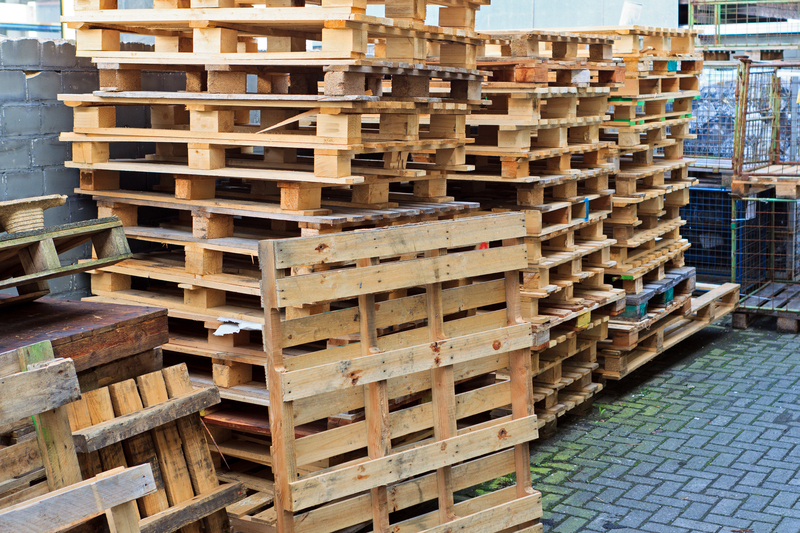
Commercial Waste Removal in Mayfair
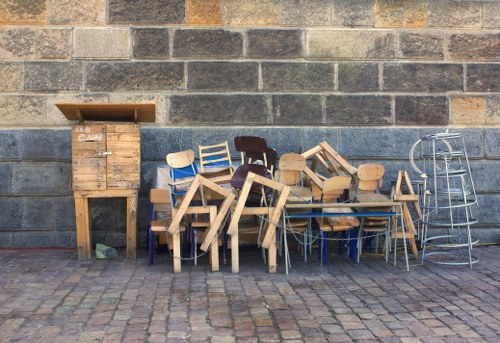
Commercial waste removal in Mayfair needs a tidy, reliable approach that suits busy premises, varied waste streams and limited space for storage. Our service is built around the regular and occasional clearance of business waste, helping offices, retail units, hospitality venues and managed buildings keep on top of what builds up during day-to-day operations. We handle collection planning, sorting and responsible disposal so the process stays straightforward for your team and practical for your site.
We can support waste removal for premises that produce mixed commercial rubbish, recurring office refuse, bulky broken items or contents that need careful segregation before disposal. For many customers, the priority is keeping the work low-disruption while making sure the waste is dealt with properly. Our service focuses on clear, organised removal, with attention to access, load type and the kind of material that needs to leave the property.
Use this page to explore the main service areas, then request a quotation when you are ready. If you need a regular arrangement or a one-off clearance, please get in touch with the details of the waste and the property access. That allows the work to be matched to the right vehicle, team size and disposal route.
Business waste collections for day-to-day operations
Business waste collection is most useful when it is planned around the actual rhythms of the site. Offices may need removal of packaging, paper, archive material and general rubbish, while shops and hospitality premises often generate different mixtures of disposable items, cardboard and back-of-house waste. Our work is set up to help with those ordinary but essential clearances, keeping the service practical rather than overcomplicated.
The best collection plan usually depends on volume, access, and how quickly waste accumulates between clearances. In a compact or shared building, it may be better to remove everything in a single organised visit rather than leave material in stages. If your waste includes items with different disposal requirements, separating them before collection can make the process more efficient and easier to manage.
What can be included in a business clearance
Typical commercial loads may contain office bagged waste, dismantled fittings, cardboard, shelving offcuts, redundant equipment, small fixtures and items left after a refit or move. We can also help where a premises has accumulated mixed waste that no longer fits into ordinary internal storage. Where useful, we sort materials so recyclable items can be separated from general rubbish before onward disposal.
Office clearance and workspace waste
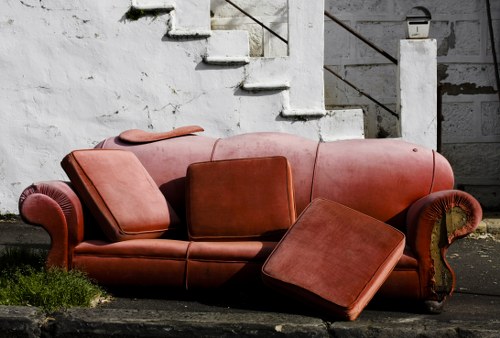
Office clearance often calls for a careful balance of speed, access and sorting. Desks, chairs, filing cabinets, monitors, printers, IT peripherals and mixed paperwork-related waste can all arise when teams reorganise, relocate or simply replace worn-out equipment. Our office waste removal service is intended to clear these items in an orderly way, with attention to lifts, corridors, reception spaces and other shared parts of the building.
Some office waste is straightforward, while other items need more thought because they are heavy, awkward or mixed with materials that should not be treated in the same way. That is why it helps to identify furniture, electrical items and bagged waste separately before collection. If the clearance involves confidential material, it is sensible to plan the removal carefully and decide which items require secure handling before they leave the site.
For a planned workspace cleanout, it is often useful to prepare a simple list of the items to be removed and note any access restrictions such as loading bays, lift sizes or time windows. A short description is usually enough to shape the collection, and photographs can help where items are bulky or spread across more than one room. Early clarity saves time when the property is busy.
Furniture, fixtures and bulky items
Commercial waste removal is not limited to bagged rubbish. Many requests involve furniture and fixtures that are too large for everyday bins, including desks, chairs, cabinets, shelving, reception furniture and shop fittings. We can remove mixed bulky waste from offices and other business premises, helping to clear space for a redesign, relocation or routine refresh of equipment.
Bulky items often need a little more preparation because they may be fitted, stacked, or positioned in ways that affect safe lifting and movement. Where possible, separating detachable pieces, clearing small items from drawers and identifying anything that is particularly heavy makes collection simpler. The aim is not to create extra work for the customer, but to make the lift more controlled and reduce the chance of damage on the way out.
For furniture that is still serviceable, disposal decisions may depend on condition, material type and whether parts can be separated. Some clients only need a single item removed, while others have multiple floors or several departments to clear. We can adapt to both situations, focusing on the actual load rather than treating every site as the same.
Waste from refurbishments and fit-outs

Commercial waste removal after refurbishments or fit-outs tends to involve a wider mix of materials than ordinary office rubbish. There may be packaging, broken fixings, offcuts, old fixtures, dismantled furniture and leftover contents from a previous layout. Our service supports these clearances by removing the waste in a structured way so the site can move on to the next stage without piles of debris getting in the way.
Refit waste can also vary by trade activity. A small redesign may produce mainly packaging and lightweight fixtures, while a broader upgrade may include more substantial debris and a greater need for segregation. Where several waste types are present, it is helpful to identify them in advance so the load can be planned appropriately. That keeps the collection process more efficient and can reduce the risk of unsuitable mixing.
Clear access matters on refurbishment jobs, especially where parts of the building are still open to staff, contractors or customers. If you can indicate which items need removal first, whether anything is fixed in place and which routes are usable, the job can be organised more cleanly. This is especially helpful when the work has to fit around existing business activity.
Specialist waste streams and controlled handling
Some commercial waste requires more care than general rubbish, either because of the material itself or because it must be separated from the rest of the load. We can help with selected specialist streams where the item type is suitable for organised removal, including certain electrical goods, appliances and other waste that needs careful sorting before disposal. The key point is matching the collection to the correct disposal route from the start.
Where waste is mixed, the safest and most orderly approach is to identify which parts can be taken together and which parts need separate handling. That reduces confusion on collection day and helps keep the process compliant with the relevant disposal pathway. It also avoids treating all commercial waste as if it were identical, which is rarely the case in real premises.
- general business rubbish and bagged waste
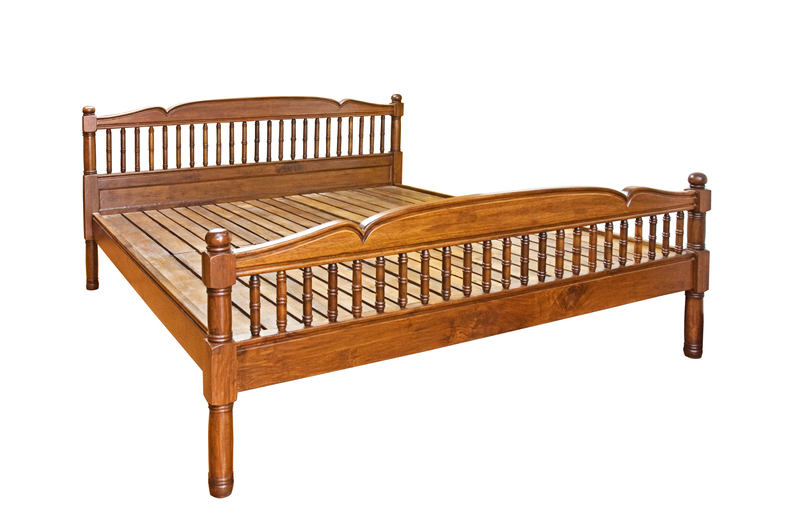
- office furniture and loose fixtures
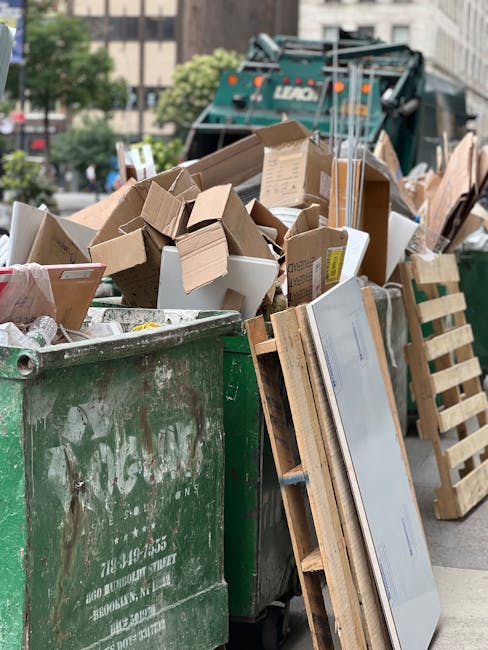
- cardboard, packaging and dismantled display material
- selected appliances and equipment
- mixed contents from clearances and refurbishments
About Mayfair
Mayfair is one of central London’s best-known districts, lying between Hyde Park and Piccadilly and forming part of the City of Westminster. Its street pattern reflects a long history of aristocratic landholding and later commercial prestige, with many of the area’s roads arranged around elegant squares and terraces. Grosvenor Square, Berkeley Square and Hanover Square are among the most recognised open spaces, each contributing to the district’s sense of formality and ordered urban design. The area’s architecture is notable for its Georgian townhouses, refined façades and carefully scaled streets, though later development has introduced a wider mix of buildings and uses. Mayfair is also strongly associated with high-end retail, private clubs, galleries and hotels, particularly around Bond Street and nearby thoroughfares. Despite its compact size, the district sits within a dense urban setting shaped by nearby green space, including the western edge of Green Park and easy access toward Hyde Park. The result is a place where historic fabric, commercial activity and civic space sit close together. The district’s character is reinforced by its long-standing role in London’s west end, where heritage buildings and contemporary business activity continue to share the same streets.
Planning commercial waste removal with less disruption
When waste has to leave a trading property, the most useful planning is often the simplest. Knowing what needs removing, roughly how much there is and where it is stored helps shape the visit without turning the job into a lengthy exercise. If the premises have loading restrictions, shared entrances or limited lift access, those details are worth noting because they affect how the collection is arranged and how long it may take to move items safely.
A straightforward handover is usually enough. It can help to separate waste into broad groups, such as general rubbish, furniture, electrical items and anything that may need careful sorting. If items are spread across several rooms or floors, a quick outline of the layout can save time on the day. We are used to working with ordinary business constraints, so the service is designed to be practical rather than demanding.
If you are comparing options, focus on the waste type, access and collection timing rather than assuming every provider will treat the job the same way. Commercial waste is rarely one-size-fits-all, and the clearer the scope, the easier it is to match the service to the premises. When you are ready, ask for a quotation and describe the load as plainly as you can.
Recycling, sorting and disposal routes
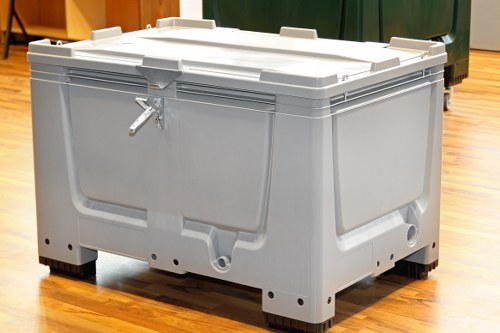
Responsible waste removal depends on separating materials where possible and sending each type through the right disposal route. Cardboard, recyclable office material, reusable metal items and general rubbish may all need different handling once they leave the property. Our approach is to keep the clearance orderly and make sure useful materials are not treated as if they belong in the same stream as mixed waste.
This is particularly relevant for business premises where regular operations generate a steady flow of packaging and associated material. Sorting waste before collection can improve the efficiency of the job and make the disposal process more organised. It also helps when the waste includes items that are partly recyclable but still need the remainder of the material to be dealt with separately.
For customers, the practical question is usually not how the disposal system works in detail, but whether the collection will be handled neatly and sensibly. That is why our focus stays on clear categorisation, appropriate removal and a simple customer process. If you need a one-off clearance or an ongoing arrangement, please request a quotation and we will help shape the work around your site.
Commercial waste on a regular or one-off basis
Some premises need recurring waste removal, while others only need support when a move, fit-out or storage cleanout creates an unusual volume of material. We can work with both patterns. Regular visits are useful where waste builds up consistently, while one-off collections suit projects, seasonal clear-outs or the removal of items that have simply accumulated beyond what a business wants to keep on site.
It is often useful to think about frequency in relation to the type of waste rather than just the amount. A premises that produces mainly cardboard and packaging may need a different pattern from one that generates heavier mixed rubbish or bulky furniture. In either case, the service should fit the site, not the other way round, so the collection plan remains sensible and proportionate.
To move things forward, send over a brief description of the waste and the access arrangements. A quotation can then reflect the actual work rather than a guess. Tell us what needs to go, where it is located and when it is available; that is usually enough to start the process properly.
What to expect from the quotation process
A quotation for commercial waste removal is usually easiest to prepare when the waste description is specific enough to show what kind of work is involved. Quantity, item type, floor level, loading access and any sorting requirements all help create a realistic proposal. That does not mean the enquiry has to be lengthy; a concise summary is often enough if it covers the essentials clearly.
If you are unsure how to describe the load, imagine explaining it to someone who has not seen the site. Mention whether it is bagged rubbish, mixed office items, furniture, boxed material, refurbishment debris or a combination of those. That simple approach usually gives a better result than trying to use technical language. Our aim is to keep the process workable and plain.
Ready to begin? Use the contact option on the site to ask for your quotation and include the broad waste type, the premises setup and your preferred timing. That gives us the information needed to respond sensibly and keep the next step straightforward.