Selfridges rubbish collection options for Mayfair businesses and shops
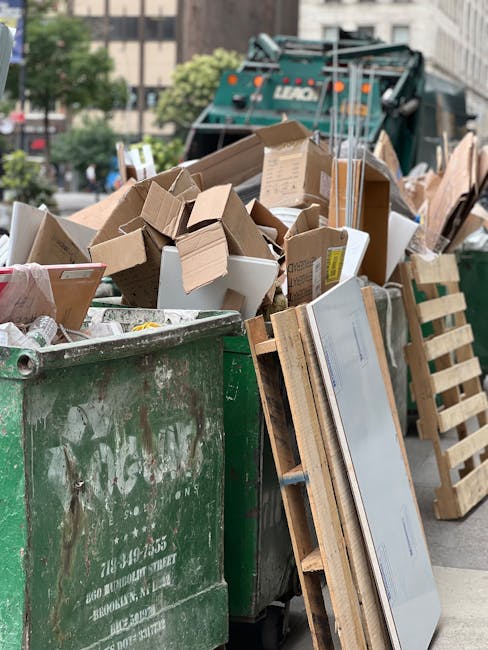
If you run a shop, showroom, cafe, office, or hospitality space near Selfridges, rubbish can build up faster than you expect. One busy delivery day, a refit, a stock changeover, and suddenly the back-of-house area looks like it has had a rough week. That is where the right Selfridges rubbish collection options for Mayfair businesses and shops make a real difference: less clutter, smoother trading, and fewer last-minute headaches.
This guide breaks down how local commercial waste collection works, what types of rubbish are usually involved, what to watch out for, and how to choose the most practical route for your business. It is written for people who need clear answers, not theory. Because let's face it, when waste starts getting in the way of customers, staff, or compliance, you want it gone properly and without fuss.
Why Selfridges rubbish collection options for Mayfair businesses and shops Matters
Mayfair is not a place where waste can just sit around "for later". Footfall is high, streets are busy, and many businesses operate in tight premises where storage space is limited. A few bags left in the wrong place can create a knock-on effect: blocked access, awkward customer impressions, unpleasant smells, and staff wasting time moving stuff around instead of doing actual work.
For businesses and shops near Selfridges, rubbish collection is about more than tidiness. It affects presentation, trading speed, and the general flow of the day. A boutique receiving seasonal packaging, a restaurant replacing fridges, or an office clearing old furniture all need different approaches. The best solution is usually the one that fits the shape of your waste, the timing of your operation, and the level of discretion required.
There is also a reputational angle. In a premium retail area, customers notice the details. Overflowing sacks or messy loading areas can create the wrong impression in seconds. That may sound a bit harsh, but it is true. A clean site says the business is organised, and in a district like Mayfair, that matters.
Practical takeaway: the best rubbish collection option is rarely the cheapest on paper. It is the one that keeps your shop or business moving with the least disruption, while handling waste safely and legally.
How Selfridges rubbish collection options for Mayfair businesses and shops Works
In simple terms, commercial rubbish collection is a planned service for removing business waste from your premises and taking it to an appropriate facility for sorting, recycling, reuse, or disposal. For shops and businesses around Selfridges, this often means a collection arranged around trading hours, deliveries, and building access.
The process usually starts with identifying what needs removing. Is it general retail waste, cardboard, broken shelving, old furniture, office waste, or something more specialised like refrigeration units or confidential paper? That first step matters because the collection method should match the waste type. Mixed rubbish is common, but not everything can travel together.
From there, the collection provider will typically confirm volume, access details, and any lifting or loading requirements. In some cases, the team can simply take bagged or pre-sorted waste from a rear yard or loading bay. In others, especially where bulky items are involved, the crew may need to enter the building, disconnect items carefully, or coordinate with your staff to avoid interrupting customers.
If your business is planning a refit or stockroom clear-out, you may also need a more tailored approach. That could include office clearance, furniture disposal, builders waste clearance, or a broader waste removal visit. For example, a shop replacing display units might need the old fixtures removed alongside packaging, while a small office upstairs may need confidential shredding as well as desk and chair clearance. Small detail, big difference.
To keep the process smooth, it helps to work with a provider that can offer a sensible fit for your schedule. If you want to review wider commercial services, business waste removal is often the most relevant starting point for ongoing collection needs, while general waste removal can be useful for one-off clearances.
Key Benefits and Practical Advantages
The main benefit is obvious: waste leaves your site. But the real value goes much further than that.
- Cleaner trading space: a tidy front-of-house and back-of-house area makes daily operations easier.
- Better use of limited space: Mayfair premises are often compact, so every square metre counts.
- Less staff disruption: teams can stay focused on customers, stock, and service.
- More predictable workflow: regular or scheduled collections reduce the "where do we put this now?" problem.
- Improved presentation: especially important for retail, beauty, hospitality, and premium services.
- Safer premises: fewer trip hazards, fewer blocked exits, less manual handling stress.
- Better sorting and recycling: good collection planning makes it easier to separate cardboard, metal, reusable furniture, and general waste.
There is another practical advantage that is often overlooked: morale. Staff work better in a space that is under control. Nobody enjoys stepping over flattened boxes for half the day. It is a small thing, maybe, but it builds up.
If your business has occasional peaks, like end-of-season stock refreshes or after-hours refits, a flexible collection arrangement can stop the place feeling chaotic. And in a busy district, a calm back-of-house is worth its weight in gold. Or at least close enough.
For businesses thinking about furniture-heavy clearances, the pages on furniture clearance and furniture disposal are useful when chairs, shelving, tables, and display units are part of the problem.
Who This Is For and When It Makes Sense
This kind of rubbish collection is relevant to a wider set of businesses than people sometimes realise. If your premises generate waste regularly, or in occasional bursts, you are probably in the right place.
- Fashion and retail shops: packaging, damaged stock, hangers, display units, and seasonal changeover waste.
- Beauty and lifestyle businesses: product packaging, fittings, furniture, and refurbishment debris.
- Cafes, restaurants, and hospitality venues: food-related waste, old appliances, furniture, and back-of-house clear-outs.
- Offices and agencies: desks, chairs, filing, paper waste, and confidential materials.
- Showrooms and studios: bulky items, broken fixtures, mixed waste from fit-outs, and packaging.
- Property managers and landlords: end-of-tenancy waste, abandoned items, and rapid turnaround clearances.
It makes sense whenever your waste is more than a simple bin job, or when timing matters. If you only need a few bags taken away, a small collection may be enough. If you have a refit, stockroom clear-out, or broken fittings, then a more structured collection is usually the safer and more efficient route.
A good rule of thumb: if your staff are spending time managing rubbish instead of serving customers or running the business, you probably need a better system.
Step-by-Step Guidance
Here is the cleanest way to organise Selfridges area rubbish collection without creating extra headaches for yourself.
- Identify the waste types. Separate what is general waste, cardboard, furniture, electrical items, confidential paper, or anything potentially hazardous.
- Estimate the volume. A few sacks, several bin bags, a couple of bulky items, or a full clearance all require different handling.
- Check access. Think about loading bays, lift access, narrow doorways, trading hours, and whether collections need to happen early or late.
- Decide on urgency. Same-day or next-day removal can be useful after a delivery, a fit-out, or a stock reset.
- Match the method to the waste. Regular business waste, one-off clearance, office clearance, or specialist removal each has its own best-fit option.
- Confirm any restrictions. Some items need special handling, and it is much better to flag that before the team arrives.
- Schedule the collection. Pick a slot that causes the least disruption to customers and staff.
- Settle the paperwork and payment details. Keep records, receipts, and service terms accessible in case you need them later.
That sounds orderly because, to be fair, it usually works best when it is orderly. The rushed version tends to create the dreaded "we forgot about that old fridge" moment right as the crew is already on site.
If your rubbish includes anything beyond standard mixed waste, it is worth looking at specialist pages such as fridge and appliance removal or hazardous waste disposal so nothing gets missed.
Expert Tips for Better Results
After enough commercial clearances, a few patterns become very obvious. The smoother jobs are almost always the ones where the business prepares a little in advance.
- Label the pile before collection day. Even a simple "keep" and "go" split saves time and confusion.
- Break down packaging early. Flatten cardboard and keep it dry if possible.
- Group bulky items together. That makes lifting safer and quicker.
- Keep access routes clear. Doors, stairwells, and corridors should not turn into obstacle courses.
- Tell your staff what is being removed. It avoids someone rescuing an item that was supposed to go.
- Plan around deliveries and peak trading. The less overlap, the better.
One small but useful habit is taking a quick photo of the waste area before collection. It is not glamorous, but it can help with planning future removals and avoiding underestimated volumes next time. A slightly nerdy trick, yes. Also very practical.
Where possible, think about reuse before disposal. Some furniture, shelving, and fixtures may be suitable for reuse or donation in another setting, while broken or worn items should go through proper disposal channels. The recycling path is not always obvious, so it helps to work with a provider that makes the sorting side easier. You can also review the provider's recycling and sustainability approach if environmental performance matters to your business, and for many Mayfair brands it does.
Common Mistakes to Avoid
Most rubbish collection problems are preventable. The issue is usually not the waste itself; it is the planning around it.
- Leaving sorting until the last minute. This is the classic one. It always feels manageable until collection day arrives.
- Assuming every item can go together. Mixed loads are normal, but some items need separate handling.
- Underestimating bulky waste. A single sofa, fridge, or set of display units can take up far more room than expected.
- Ignoring access issues. Busy streets, loading restrictions, and awkward staircases matter.
- Forgetting security or confidentiality. Paper records and data-bearing items need extra care.
- Not checking provider credentials and insurance. That can become a painful mistake very quickly.
Another common mistake is treating a one-off clearance like a routine bin uplift. Different job, different approach. If you have bulky office items, use a service such as office clearance rather than trying to force everything into a basic collection model.
And yes, sometimes the biggest mistake is simply not asking enough questions. If you are unsure about one awkward item, ask. Saves everyone time.
Tools, Resources and Recommendations
You do not need a huge toolkit to manage rubbish well, but a few simple resources make a noticeable difference.
- Waste log: a basic note of what was removed, when, and how much.
- Simple site map: useful for showing loading points, entrances, and storage areas.
- Collection checklist: helps staff prepare consistently.
- Photo record: handy for repeat jobs or proving what was on site.
- Internal contact list: one person responsible for approvals, access, and timing.
For businesses that deal with sensitive paperwork, confidential files, or customer information, confidential shredding is a sensible companion service. For general commercial waste handling, the main business waste removal page is the best place to start, especially if you want an ongoing arrangement rather than an occasional clear-out.
If your premises are being refitted or repaired, builders waste clearance may also be relevant. A shop refresh can create more rubble, packaging, timber, and stripped-out material than expected, and it is easier to deal with it properly than to improvise later.
Law, Compliance, Standards, or Best Practice
Any business arranging rubbish collection should think carefully about duty of care, safe handling, and record keeping. In plain English, that means you should know what waste you are producing, who is taking it away, and whether it is being handled responsibly.
UK businesses are generally expected to use licensed or otherwise legitimate waste carriers for commercial waste, and they should keep appropriate documentation where needed. The exact obligations can depend on the waste type and how it is stored or transferred, so it is wise to treat this area seriously. If something sounds borderline, it probably deserves a second look.
Best practice usually includes:
- sorting waste properly before collection where practical
- separating confidential, hazardous, and ordinary waste streams
- keeping a clear trail of what was removed and when
- making sure staff know what can and cannot be placed out for collection
- choosing providers with clear safety procedures and insurance
For many businesses, it is also useful to review operational pages like health and safety policy, insurance and safety, and terms and conditions before booking anything. That is not overkill. It is just sensible.
If your waste involves appliances, chemicals, or other potentially risky materials, do not treat it casually. Good practice beats quick guessing every time.
Options, Methods, or Comparison Table
There are several ways a Mayfair business can handle rubbish collection, and the best one depends on how much waste you have, how often it appears, and how quickly it needs to be gone.
| Option | Best for | Strengths | Limitations |
|---|---|---|---|
| Regular business waste collection | Shops and offices with steady daily waste | Predictable, simple, low admin | Less suitable for bulky items or one-off clearances |
| One-off rubbish collection | Stock changes, clear-outs, occasional overflow | Flexible and quick | Can be less efficient if used for constant waste |
| Office clearance | Desks, chairs, paper, and workplace equipment | Good for refits and relocations | May need planning for confidentiality and access |
| Furniture and bulky item removal | Display units, sofas, tables, shelving | Efficient for large items | Needs accurate volume and access details |
| Specialist waste disposal | Fridges, appliances, hazardous items | Safer and more compliant | Must be arranged correctly for the item type |
There is no one-size-fits-all answer here. A small fashion shop and a busy upstairs office might both be near Selfridges, but their rubbish needs can be wildly different. That is normal. The trick is choosing the method that fits the actual problem, not the imagined one.
Case Study or Real-World Example
Imagine a Mayfair boutique preparing for a seasonal refresh. The manager has a stack of cardboard from deliveries, several broken display stands, a worn-out storage cabinet, and a couple of old mirrors that are no longer needed. Nothing dramatic on its own, but together it is enough to clog the back room and make stock handling awkward.
At first, the team considers leaving everything for the usual bin routine. But that would mean days of mess, repeated trips through narrow corridors, and a poor first impression for the next delivery window. Instead, they split the waste into practical groups: cardboard, furniture, and fragile items. They also flag one electrical item that needs separate treatment.
The collection is then scheduled for a quieter time, before opening. The removal team clears the bulky pieces first, then takes the sorted waste. The whole site looks calmer by lunchtime. Staff can move stock properly again, and the shop floor is ready for customers.
That sort of job is not unusual. In fact, it is the kind of situation where organised rubbish collection pays off immediately. Not in some abstract way. Right there, on the day, when people can move without sidestepping boxes.
If the items are mostly furniture or old fittings, a combination of furniture disposal and broader waste removal is often the cleanest fix. Simple, but effective.
Practical Checklist
Use this quick checklist before arranging collection for your Mayfair business or shop.
- Identify the waste type or mixed waste stream.
- Separate anything confidential, fragile, hazardous, or electrical.
- Estimate volume honestly, not wishfully.
- Check access routes, staircases, loading points, and timing.
- Confirm whether you need one-off or recurring collection.
- Prepare staff so nothing important gets thrown away accidentally.
- Review insurance, safety, and service terms before booking.
- Keep records of what was removed.
- Think about recycling and reuse where possible.
- Book early if the job needs to happen before opening or after closing.
If you want a smoother booking process, you can also use the provider's book online option and review pricing and quotes beforehand so expectations are clear from the start.
Conclusion
The best Selfridges rubbish collection options for Mayfair businesses and shops are the ones that fit your waste, your access, your timings, and your standards. That sounds obvious, but it is where many people slip up. They choose a service based on speed alone, or cost alone, and then spend more time fixing the aftermath.
A better approach is simple: identify the waste, choose the right collection method, prepare the site, and keep the process tidy from start to finish. Whether you need ongoing business waste support, an office clearance, furniture removal, or specialist handling for appliances and hazardous items, planning ahead makes the whole thing easier.
And honestly, in a busy part of London where presentation and efficiency matter every day, a well-run waste collection is one of those invisible services that makes everything else work better. You only really notice it when it goes wrong. Best not to let it.
Get a free quote today and see how much you can save.
For a trusted local approach, explore the team's about us page, then decide what sort of collection fits your business most naturally. Sometimes the calmest solution is the smartest one.
Frequently Asked Questions
What are the main Selfridges rubbish collection options for Mayfair businesses and shops?
The main options are regular business waste collection, one-off rubbish removal, office clearance, furniture or bulky item disposal, and specialist handling for items like appliances or hazardous waste. The right choice depends on what you are throwing away and how often it appears.
How do I know whether I need a one-off collection or ongoing business waste removal?
If your waste builds up daily or weekly, ongoing business waste removal usually makes more sense. If you are clearing out stock, changing fixtures, or dealing with a refit, a one-off collection is often the better fit.
Can a collection be arranged outside trading hours?
Often, yes. Many businesses in Mayfair prefer early morning or after-hours collections so customers and staff are not disrupted. It is usually worth asking for a slot that fits your operating pattern.
What kinds of waste can shops near Selfridges usually dispose of?
Common examples include cardboard, packaging, broken displays, furniture, office waste, shelving, and some appliances. Anything hazardous, confidential, or unusually bulky should be flagged separately.
Do I need to sort waste before collection?
Not always, but sorting helps. Separating cardboard, furniture, confidential material, and hazardous items makes the job easier, safer, and often more efficient.
What should I do with old shop furniture or display units?
Old furniture and display fixtures are best handled through a furniture clearance or furniture disposal service. This is especially useful if the items are bulky, awkward to move, or part of a larger shop refresh.
Is confidential shredding relevant for retail and office businesses?
Yes. Shops and offices often store invoices, customer records, staff paperwork, or other sensitive documents. Confidential shredding is a sensible option when those materials need secure disposal.
Can appliances and fridges be removed with general waste?
Usually not. Fridges and appliances should be handled through the appropriate specialist service because they may need different treatment from standard waste. If in doubt, separate them early.
What are the biggest mistakes businesses make with rubbish collection?
The main mistakes are leaving sorting too late, underestimating volume, not checking access, and ignoring special waste types. Another common one is assuming everything can go into the same pile. It rarely works out that neatly.
How can I keep waste collection from disrupting customers?
Plan the collection for quieter hours, clear access routes in advance, and let staff know exactly what is being removed. A little preparation keeps the customer-facing side calm and professional.
Should I consider recycling as part of the collection process?
Absolutely. Cardboard, certain metals, and reusable furniture may be suitable for recycling or recovery. If sustainability matters to your brand, ask how the waste will be sorted and processed.
Where can I learn more about safety and service terms before booking?
It is sensible to review the provider's health and safety information, insurance details, and terms and conditions before confirming a booking. That gives you a clearer picture of how the collection is managed and what is expected on both sides.